
"wild flavor profile"
400 article(s) found

Introduction to the treatment method of grinding degree and baking degree of high-quality coffee beans
Hachira N2 L12 originates from the Aricha (Achila) production series developed with S.A.Bagersh in 1990 + 2006-2008. Name this coffee Hachira. Hachira coffee juice is distinctive and floral, usually with elderberry or BlackBerry flavors, and sometimes basil herbs

A brief introduction to the market price of high-quality coffee beans with emphasis on sweetness.
Hachira N2 L12 originates from the Aricha (Achila) production series developed with S.A.Bagersh in 1990 + 2006-2008. Name this coffee Hachira. Hachira coffee juice is distinctive and floral, usually with elderberry or BlackBerry flavors, and sometimes basil herbs
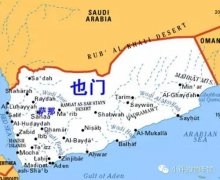
World Coffee Tour (2) the country of Mocha-Yemen
The word mocha first emerged in Europe in the 16th and 17th century, because coffee imported from the Arab world was transported from the port of Mocha in Yemen, so at first people used mocha as a synonym for coffee, so until the invention of the mocha pot in the 20th century, people took it for granted that this kind of coffee brewing apparatus was called mocha pot. As for the difference between Ethiopian mocha and Yemeni mocha
A brief introduction to the characteristics of Yunnan small Coffee is the flavor of Katim coffee beans really bad?
Professional coffee knowledge exchange more coffee bean information please follow Coffee Workshop (Wechat official account cafe_style) Front Street-Yunnan Katim Coffee introduction Arabica Coffee (Arabica) is a world-famous coffee variety, known as small grain coffee. Derived from wild coffee from Ethiopia in Africa, it was introduced into Europe through Arabia and got its name from the 19th century.

Brief introduction of Panamanian coffee bean producing areas
Professional coffee knowledge exchange more coffee bean information please follow the coffee workshop (Wechat official account cafe_style) Front Street Coffee-Panamanian Coffee region introduction Panama has been one of the best coffee producers in the world since three years ago. Panama Coffee is mainly produced in the west near the border with Costa Rica and produces excellent washed coffee. Compared with species at middle and low elevations

A brief introduction to the history and culture of the origin and development of high-quality coffee beans
Producing area 90 + Ethiopia, Achira (Achilla) producing area. In the treatment of 1750 2000m above sea level, the sun flavor is full of floral smell, obvious sense of fruit juice, with the flavor of elderberry, BlackBerry, basil herbs, and similar to lactose. CoffeeReview score: 1994: 2012 Baker: Thirty Thirty Coffee Co.

A brief introduction to the Market Price of High-quality Coffee Bean varieties with obvious Juice sense
Originated in 90 + 2006-2008 with S.A.Bagersh development of Aricha (Achilla) production series. Name this coffee Hachira. Hachira coffee juice has a distinctive floral flavor, usually with elderberry or BlackBerry flavors, and sometimes with basil herbs. Producing area 90 + Ethiopia, Achira (Achilla) producing area

A brief introduction to the history and culture of the origin and development of high-quality coffee beans
Link: http://www.coffeereview.com/review.cfm?ID=2928 Hachira N2 L12 Inspired by the Ninety Plus Aricha selections developed with S.A. Bagersh from 2006-2008, Hachira coffees are juicy and floral, commonly with concentrated elderberry to bla

The price of civet coffee The characteristics of civet coffee Introduction to civet coffee
Cat poop coffee, Indonesia. In the early 18th century, the Dutch established coffee plantations in the Indonesian colonies of Sumatra and Java, and prohibited the locals from picking and eating their own coffee fruits. Indonesian locals accidentally discovered that civet cats love to eat these coffee fruits and will expel the beans intact when defecating. Civets only pick the best.

Soft and low quality 990 + Fine Coffee Bean planting situation A brief introduction to the geographical location, climate and altitude
Hachira N2 L12 originates from the Aricha (Achila) production series developed with S.A.Bagersh in 1990 + 2006-2008. Name this coffee Hachira. Hachira coffee juice is distinctive and floral, usually with elderberry or BlackBerry flavors, and sometimes basil herbs

A brief introduction to the treatment method of grinding degree and baking degree of high-quality coffee beans
W2: lower (Low) fruit tonality; emphasizes brightness, acidity, and floral aroma. H2: warm (Moderate) fruit tonality; emphasizes sweetness, fruit taste (rather than fruit flavor), and tea taste. N2: higher (High) fruit tonality; emphasizes unrestrained, sweet and sour, jam and dried fruit flavors. In 2007, the founder and current CEO Joseph Brodsky personally went to Ethiopia, where the coffee was born.
The characteristics of civet coffee introduction of civet coffee
Kopi Luwak is produced by the feces of Indonesian coconut cats (a kind of civet) as raw materials, so it is called Kopi Luwak. This kind of animal mainly feeds on coffee beans. After completing fermentation in the coconut cat's stomach, it destroys proteins, produces short peptides and more free amino acids, reduces the bitterness of coffee, and then excretes feces as the main raw material. Because coffee beans cannot be digested, they will be
A brief introduction to cat shit coffee beans how much is a jin of cat shit coffee beans
Kopi Luwak, produced in Indonesia, is one of the most expensive coffee in the world. Kopi Luwak is just another name. Its official name is Kopi Luwak,Kopi, which means coffee in Indonesian, and Luwak is a wild animal called civet. The coffee brewed by Kopi Luwak is as thick as syrup with an exclusive flavor and a hint of mint in the mouth. The output of Kopi Luwak is very small, and
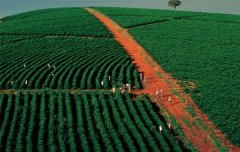
A brief introduction to the description of the flavor and aroma characteristics of fine coffee beans
According to the degree of effect of fruit flavor on taste, it can be divided into: W _ 2 ~ H _ 2 ~ 2 ~ 2. The distinction between these three flavors can also be simply understood as treatment methods: W2=WASH washing treatment; H2=Honey honey treatment; N2=NATURE sun treatment: W2: lower (Low) fruit tonality; emphasis on brightness, acidity, and floral aroma. H2: relatively warm (Moderat

What is the brand of ninety plus and what is 90 plus coffee? Which brand of coffee is better?
Professional coffee knowledge exchange more coffee bean information please follow the coffee workshop (Wechat official account cafe_style) do you know the difference between ordinary coffee beans and 90 + coffee beans? So what on earth are 90 + coffee beans? Just as Dev can only be called chocolate-flavored candy, instant coffee can only be called coffee-flavored soft drinks. 90 + coffee beans are in the coffee industry.
A brief introduction to Vietnamese Coffee Coffee Price of Vietnamese Coffee Coffee
Kopi Luwak is made in Indonesia. In the early 18th century, the Dutch established coffee plantations in the Indonesian colonies of Sumatra and Java, and banned locals from picking and eating their own coffee fruits. Indonesian locals inadvertently found that civets love to eat these coffee fruits and will drain the beans intact when defecating. The civet can only pick the most familiar.

A brief introduction to the description of the flavor and aroma characteristics of high-quality coffee beans
About the way of handling: W2TH2MagneN2: it can be understood as the traditional way of handling raw beans, and ninety + also regards them as the distinction of taste. Ninety Plus thought that coffee itself is a kind of fruit, so he made his own exclusive treatment according to taste (W2), (H2), and (N2). When you understand the traditional coffee processing, you will find that a small amount of adjustment can make them.

High-quality coffee beans with obvious juices 990 + planting situation of fine coffee beans geographical location, climate, altitude is simple.
Producing area 90 + Ethiopia, Achira (Achilla) producing area. In the treatment of 1750 2000m above sea level, the sun flavor is full of floral smell, obvious sense of fruit juice, with the flavor of elderberry, BlackBerry, basil herbs, and similar to lactose. CoffeeReview score: 1994: 2012 Baker: Thirty Thirty Coffee Co.

Brief introduction of main producing areas of Ethiopian Coffee
Hara (Harar) / Solar or dried (Sundried/Dry-Processed) Hara is located in the Eastern Highlands of Ethiopia (Harerge Province) and grows between 5000 and 7000 feet above sea level. It was still wild on slopes a century ago. Most of the raw beans are medium size and have long tips at both ends, with a yellowish or golden green color and strong chocolate when baking.
Brief introduction of boutique Kopi Luwak how much is boutique Kopi Luwak per jin
Kopi Luwak is made in Indonesia. In the early 18th century, the Dutch established coffee plantations in the Indonesian colonies of Sumatra and Java, and banned locals from picking and eating their own coffee fruits. Indonesian locals inadvertently found that civets love to eat these coffee fruits and will drain the beans intact when defecating. The civet can only pick the most familiar.